On the way home from the Patchworktage, we stopped at the Hennebergische Museum Kloster Veßra, a Freilicht Museum, which is a collection of historical buildings all together on a property for people to view and learn. Think Living History Farms but without any people or animals. It was a random “let’s stop somewhere on the way home and enjoy the nice weather” place we found in the book of “places with free admission because you paid a regional hotel tax” but it was a great decision. This is a lovely museum with lots of trees and activities for children; we didn’t have time for the history-of-agriculture portion of it but we learned a lot about this region of Thüringen.
We start with the church, because I took eleventy thousand bad pictures on my phone, because I thought I wouldn’t need my big camera for a quilt-show weekend. I’m taking it everywhere now; it takes longer to get the phone out and open up the security screen and find the camera and adjust the settings than it does to turn the camera on.
Anyway, on with the show…
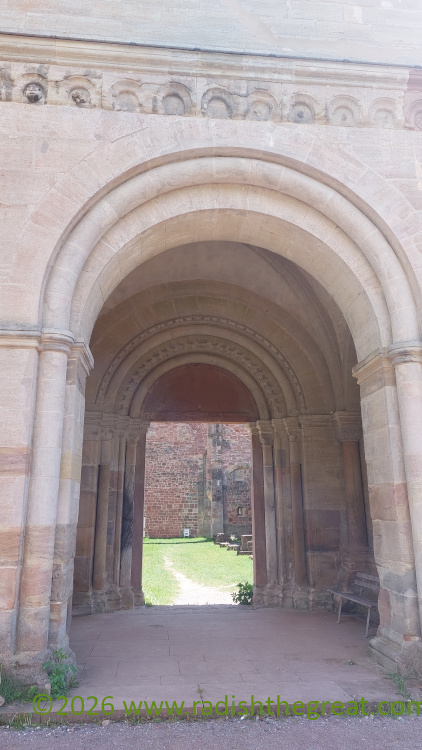
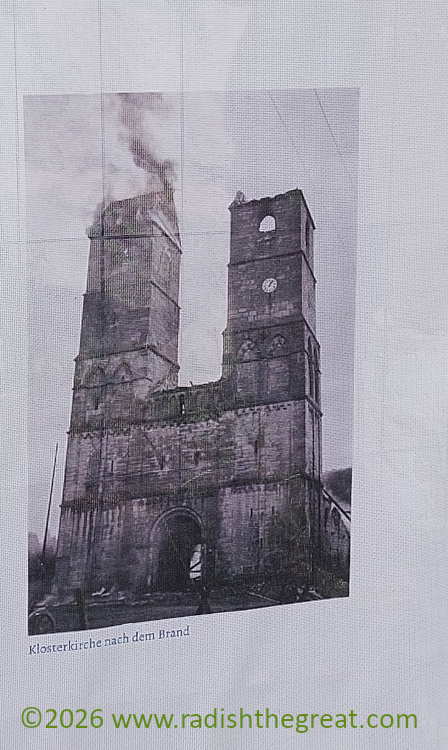
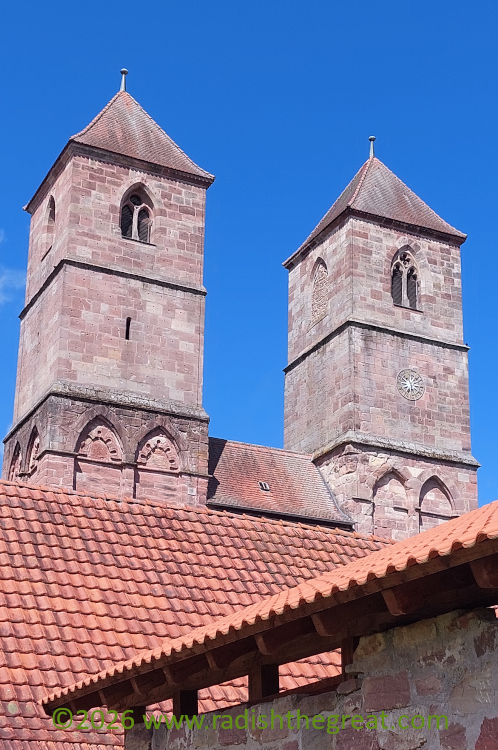
The church was dedicated in 1138, secularized in 1544 (after the Reformation), and actually used as a stall for pigs for decades after the last abbot died, but stayed more or less intact until a fire in 1939. The building stands for eight hundred years, and then bam! Crazy. For the first four hundred years, it was home to a Premonstratensian monastery (same order as Neustift in Freising), both men and women for awhile. A nice video explaining the history is shown in the south chapel of the church.
This post is only pictures of the church, otherwise it would take even longer to load. Thanks for sticking around!
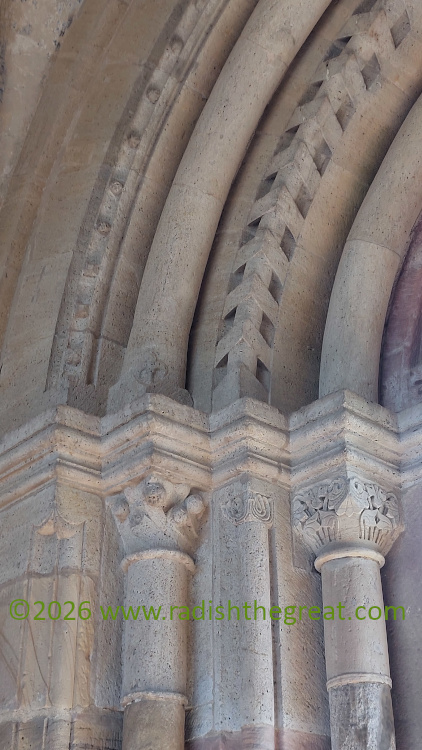
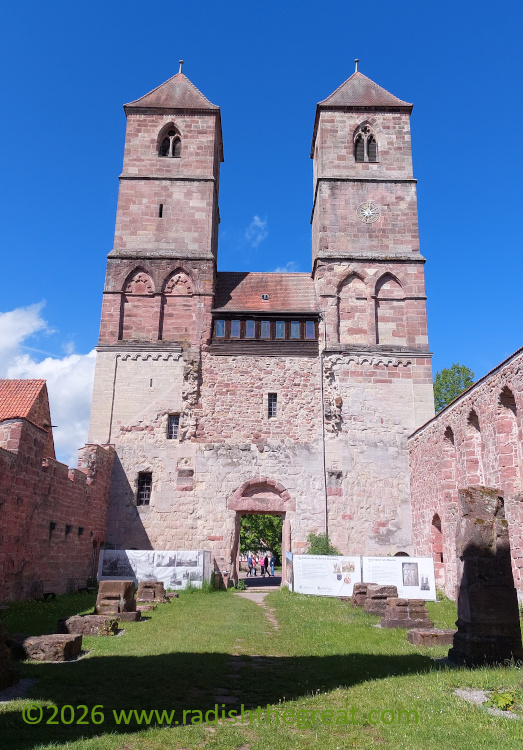
The signs tell the story of the building and the town.
You can see the remains of the columns that held up the roof.
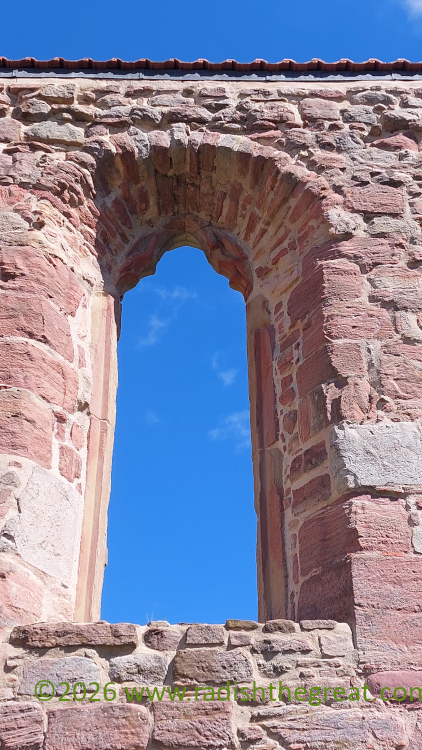
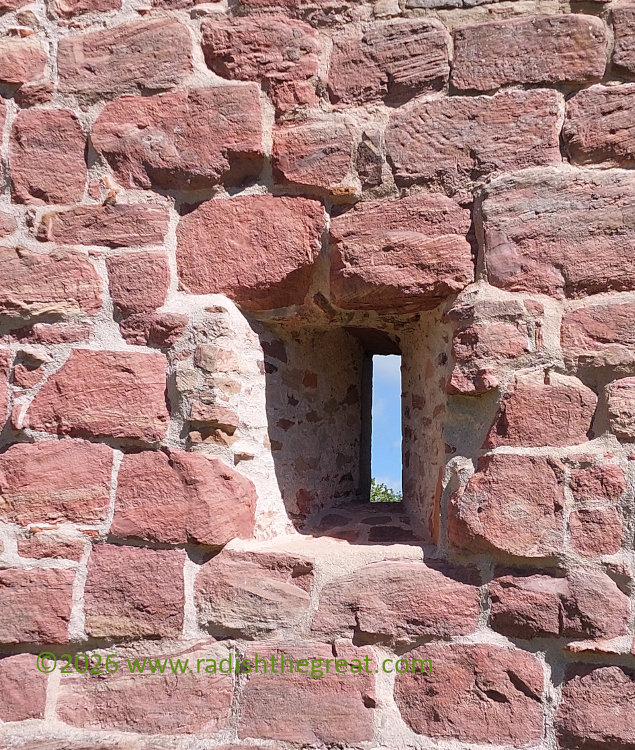
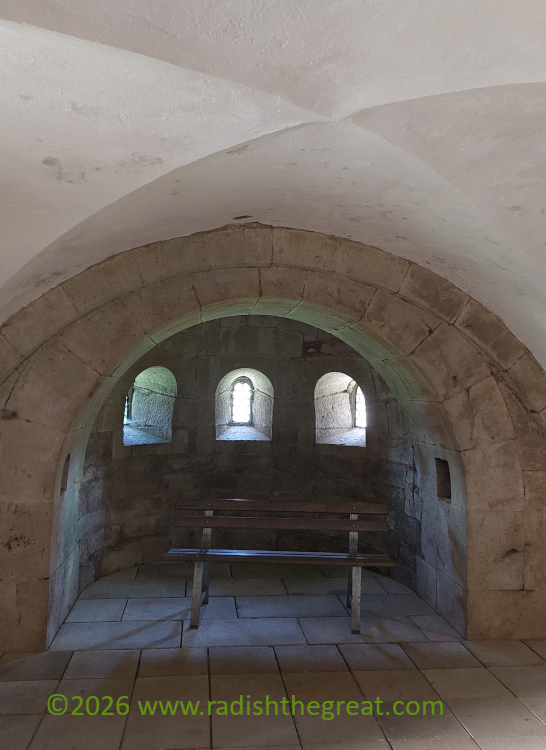
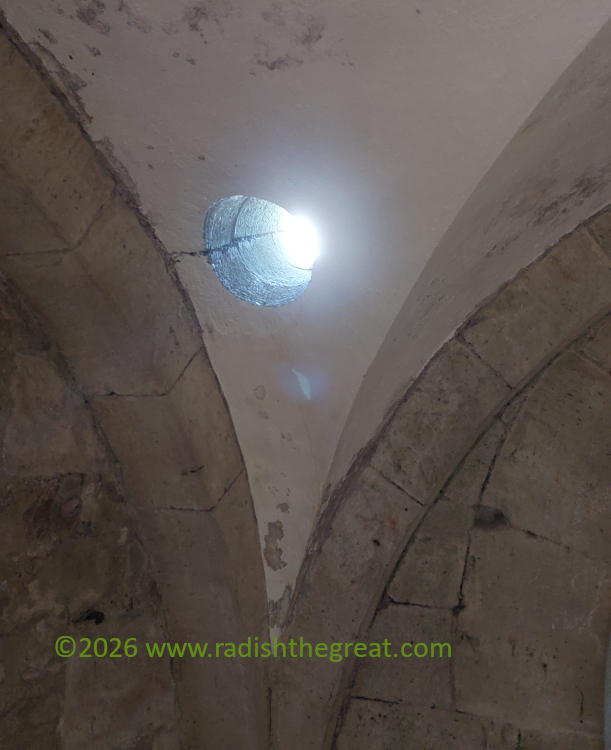
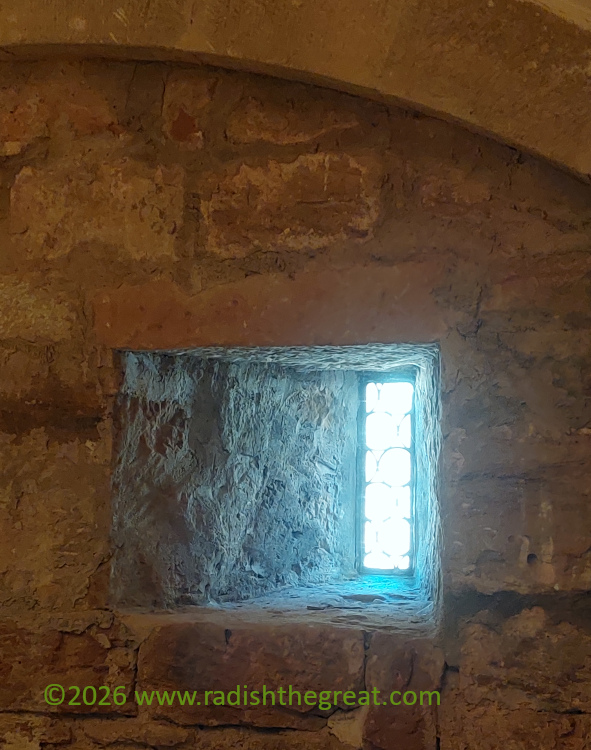
The Südkapelle (South Chapel) was a small side chapel you enter from the main church. There are two round holes in the wall that allow light to enter on certain times of the year, believed to illuminate a statue of Mary and also serve as an astronomical calendar.
Historical houses from the 16th-20th century will follow in a later post.